
Until __ do us apart, 彩色, 有声, 正在进行中
Until __ do us apart, color, sound, ongoing
名源自婚礼誓言中的“Until death do us part”这一浪漫承诺:唯有有死亡才能将相爱之人分离。然而,现实中的情感破裂往往并非源于死亡。作品聚焦于不同关系中的误解与分裂,试图呈现那些看似私人但实则深受社会结构、权力关系与文化规范影响的情感瞬间。那些深信不疑、难以被动摇的观念,是否来自某种原本不属于他们自身的、被内化的外部意识?
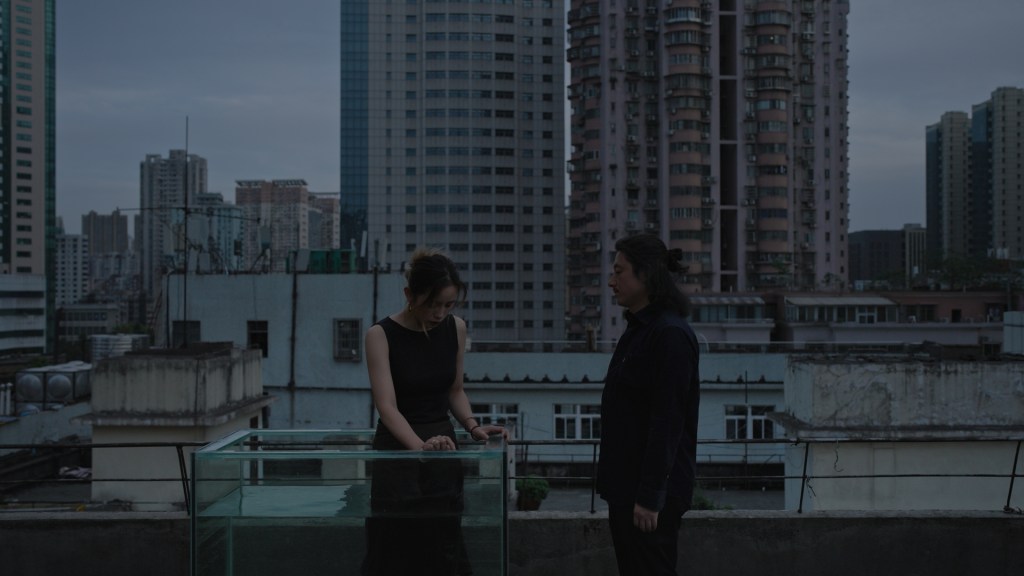
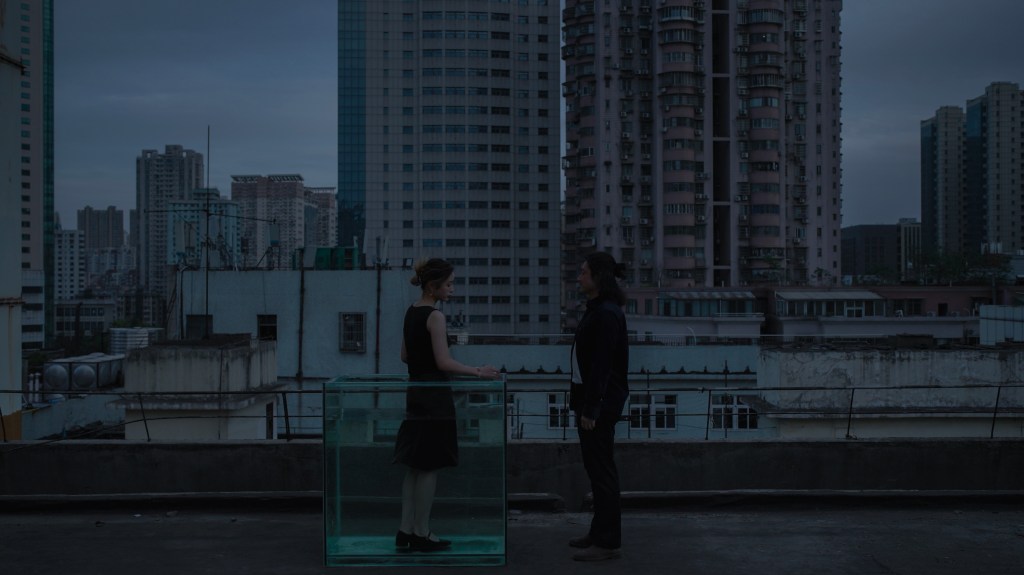

片段一描述了一对共同工作的艺术从业者情侣的争执,呈现其情感关系中潜藏的权力失衡与性别矛盾。镜头以一条不间断的长镜头缓慢拉远,在后半段的景别变化中,观众才逐渐意识到女性始终站在水中——一个隐喻其所处困境的空间。

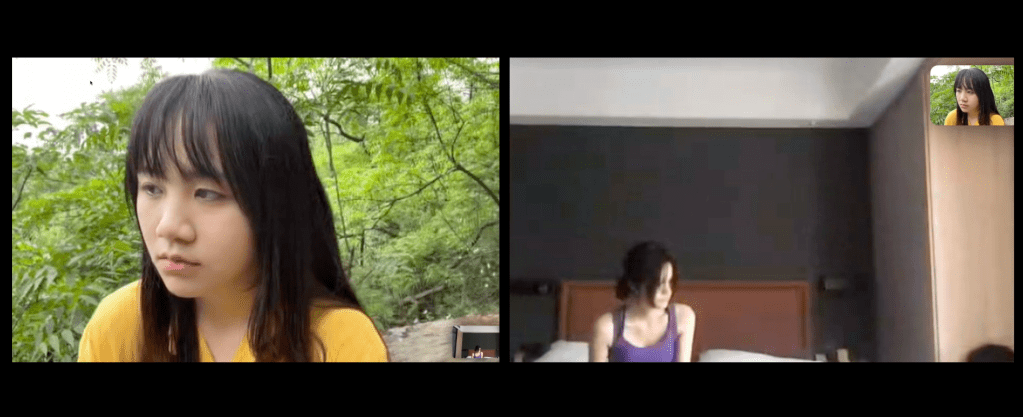
片段二以三屏录像装置展开:主屏以监控视角拍摄下了一对曾经的中台同性情侣在隔离酒店内视频通话的画面,另两屏展现了各自的通话录屏。其中一位女生在对话中表达了想与对方结婚的愿望,却连锁引发了两人之间的观点矛盾。影片结尾时,她试图拥抱屏幕上的对方,然而这一未被手机摄像头拍摄到的举动,产生了误解。这场对话在亲密关系余温的表层含义下,映照出个人与集体身份的冲突、文化差异与归属焦虑。
The title of the work is derived from the romantic vow “Until death do us part” — the promise that only death can separate those in love. Yet in reality, emotional ruptures are rarely caused by death. This work focuses on moments of misunderstanding and separation within different kinds of relationships, aiming to reveal how such seemingly private emotional experiences are deeply shaped by structural forces, power relations, and cultural norms. It poses the question: Could those deeply internalized, unshakable beliefs actually originate from external ideologies that were never truly one’s own?
The first episode portrays a quarrel between two romantic partners who also work together in the art field. Their dispute reveals the underlying power imbalance and gender tensions in their relationship. The camera slowly pulls back in a single continuous long take; only in the latter part of the shot does the viewer gradually realize that the woman has been standing in water the entire time — a visual metaphor for her structural entrapment.
The second episode unfolds through a three-channel video installation: the central screen shows a surveillance-like view of a former cross-strait (Mainland China–Taiwan) lesbian couple having a video call in a quarantine hotel, while the side screens display each of their individual screen recordings. One of them expresses a desire to get married, which unexpectedly triggers a conflict in values and expectations. In the final moments, she attempts to embrace the other through the screen — a gesture not captured by the front-facing phone camera — resulting in a painful misunderstanding. Beneath the surface of lingering intimacy, the dialogue subtly reveals deeper frictions around identity, cultural differences, and a sense of belonging.
 舒楚天
舒楚天 