Little Grass
小草,单视频通道,彩色,有声,15分23秒,2025
Little Grass, Single channel video, color, sound, 15:23,2025
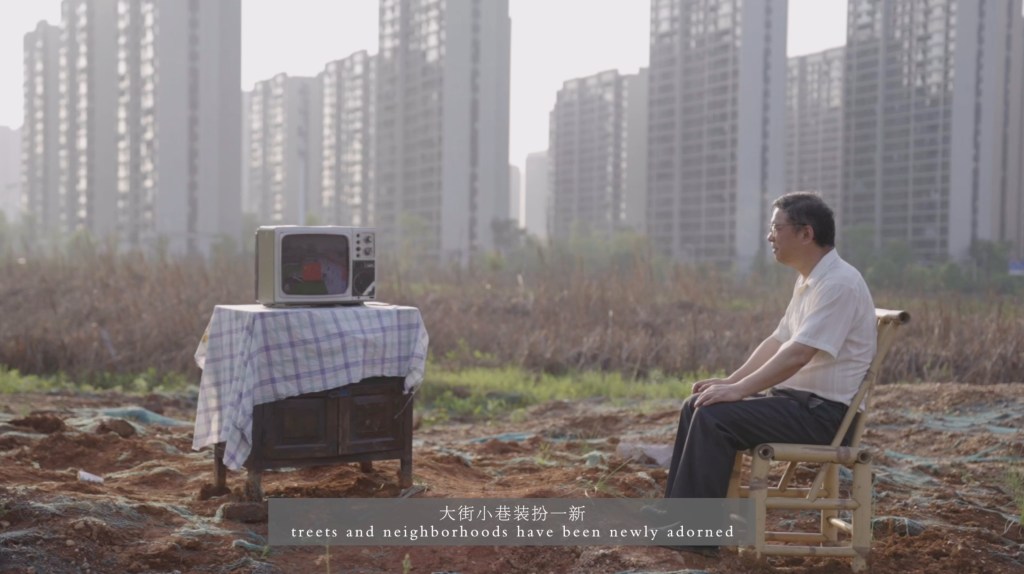
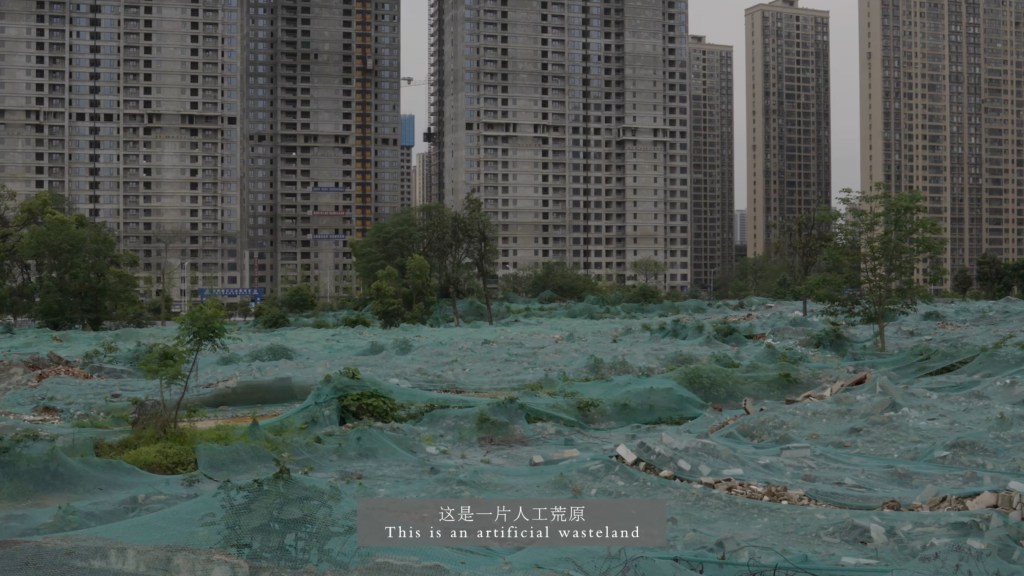
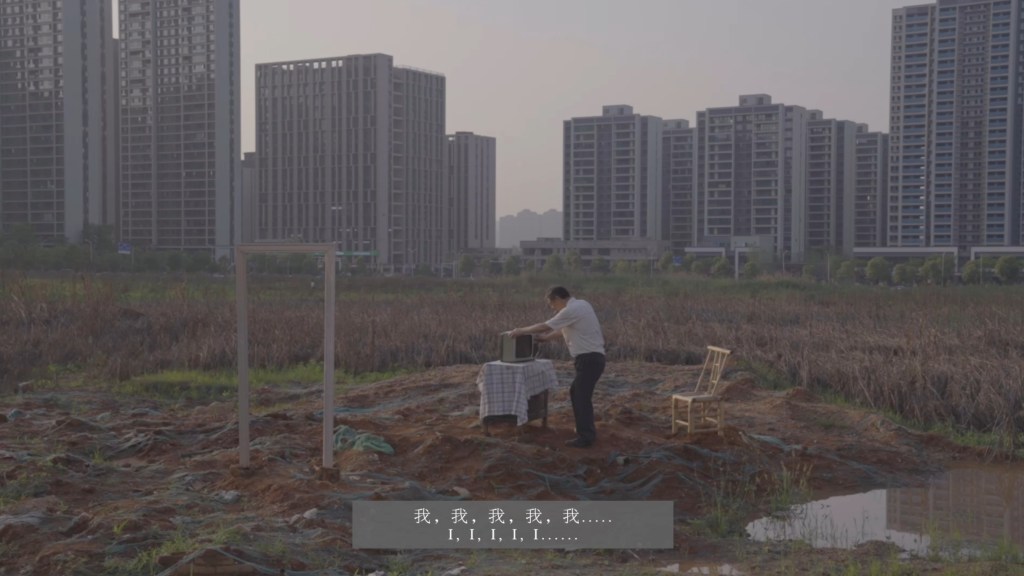
在中国以地产驱动的城市更新进程中,城市边缘地带不断被纳入新的开发之中。在士绅化中迁离原居地的居民,常在旧房拆除与重建之间的空档期重返原址,在废墟般的空间中种植蔬菜,以延续日常生活的节奏与身体记忆。
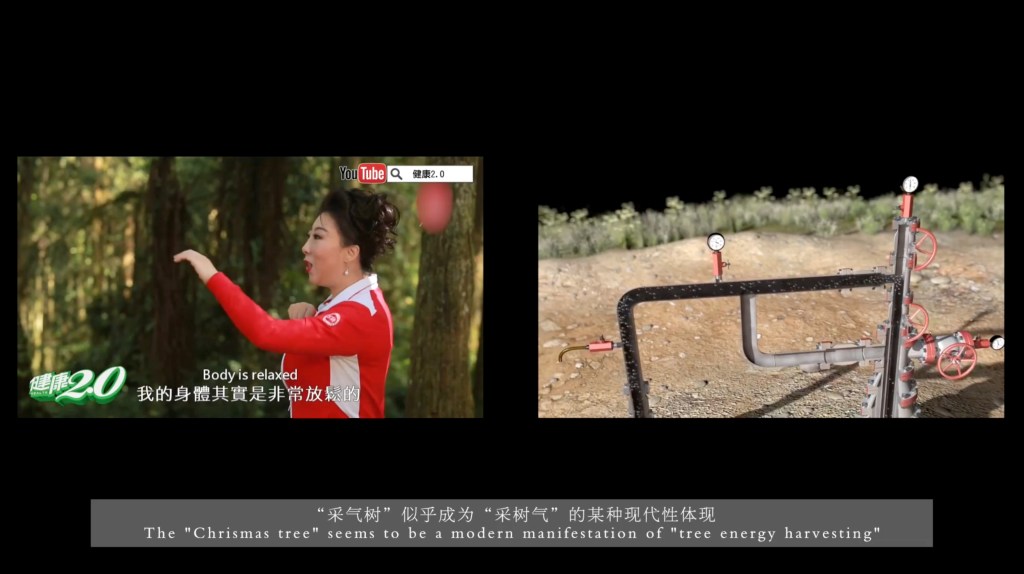
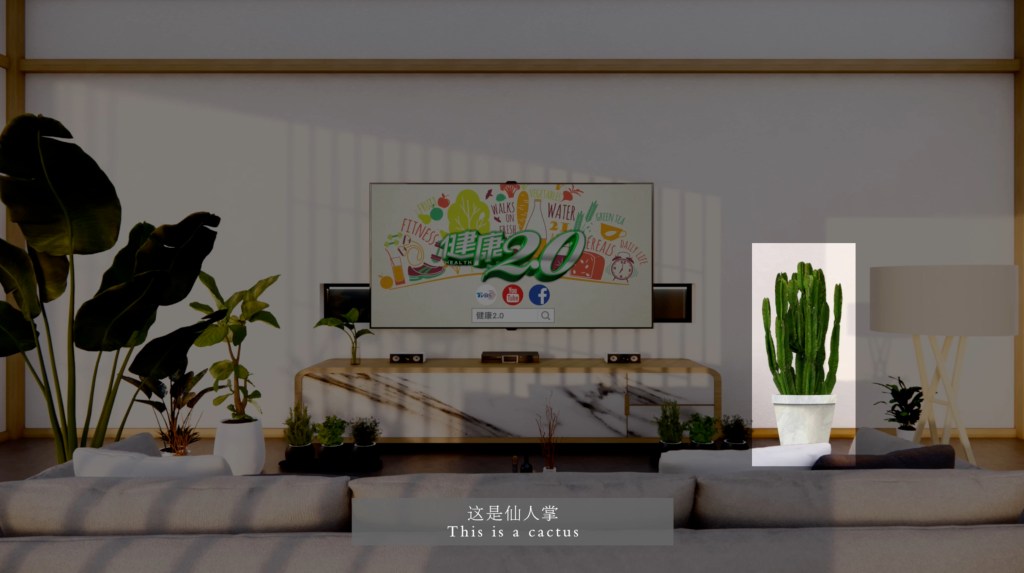
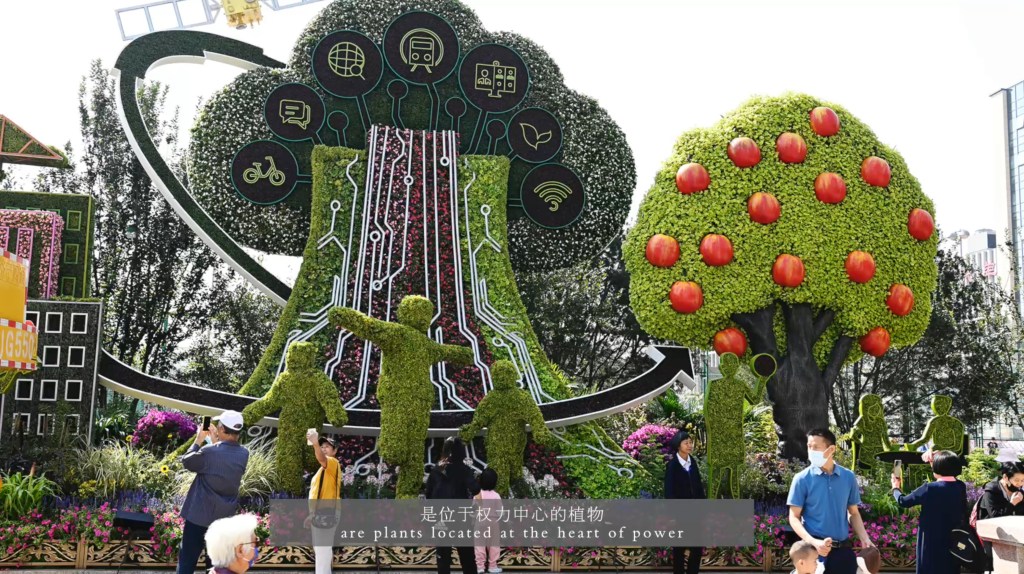
影片以一段诙谐的植物分类叙述展开,与一段居民梦中重返旧居的影像交织在一起。在这一过程中,“种菜”成为一种“柔性抵抗”的体现:当个体无法与庞大的城市系统正面对抗时,对空间的重新占用本身,便成为一种非暴力式的不合作。
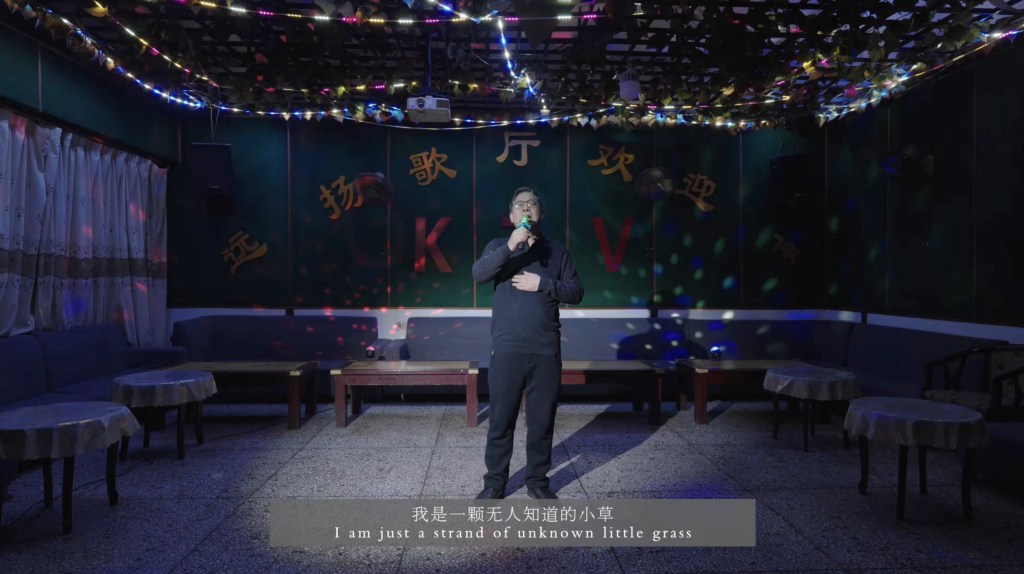
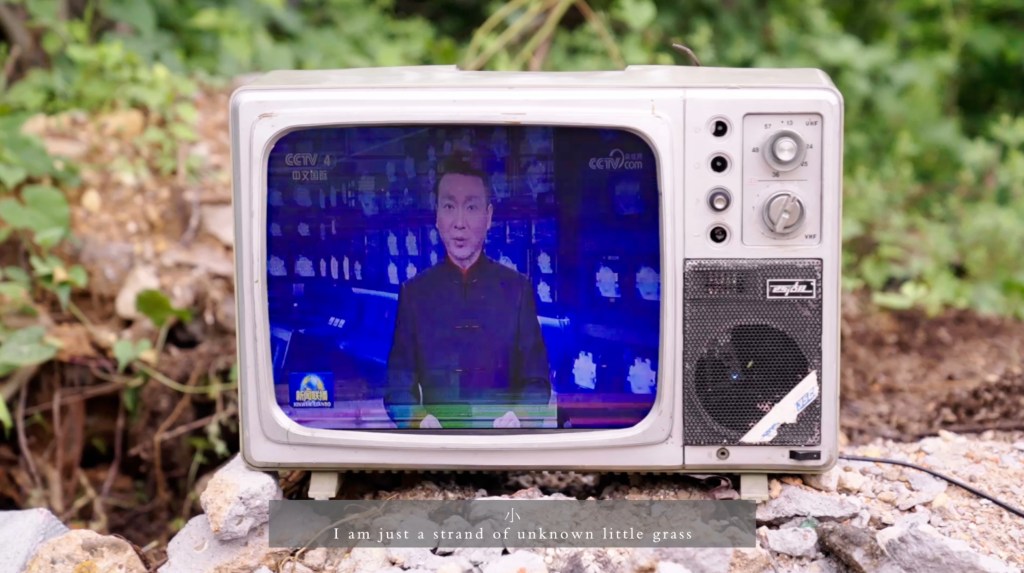
影片结尾,新闻的画面逐渐失序,并被重新拼贴为歌曲《小草》。影像,在这一瞬间转化为关于个体生命力的隐喻。
In China’s real-estate-driven process of urban renewal, peripheral urban areas are continuously absorbed into new regimes of development. Residents displaced through gentrification often return to their former neighborhoods during the temporary gap between demolition and reconstruction, cultivating vegetables within ruin-like spaces in order to preserve the rhythms of everyday life and bodily memory.
The film interweaves an almost botanical and humorous narration of urban plants with images of residents returning to their former homes in dreams. In this process, “growing vegetables” becomes a manifestation of “soft resistance”: when individuals are unable to confront the vast urban system directly, the reoccupation of space itself becomes a form of nonviolent noncooperation.
Towards the end of the film, news footage from China Central Television — symbolizing official narratives — gradually falls into disarray before being reassembled into the Chinese pop song Little Grass. An image system once serving official narratives and political order is, in this moment, transformed into a metaphor for individual vitality.
For the full video, please contact: shuchutian7@gmail.com